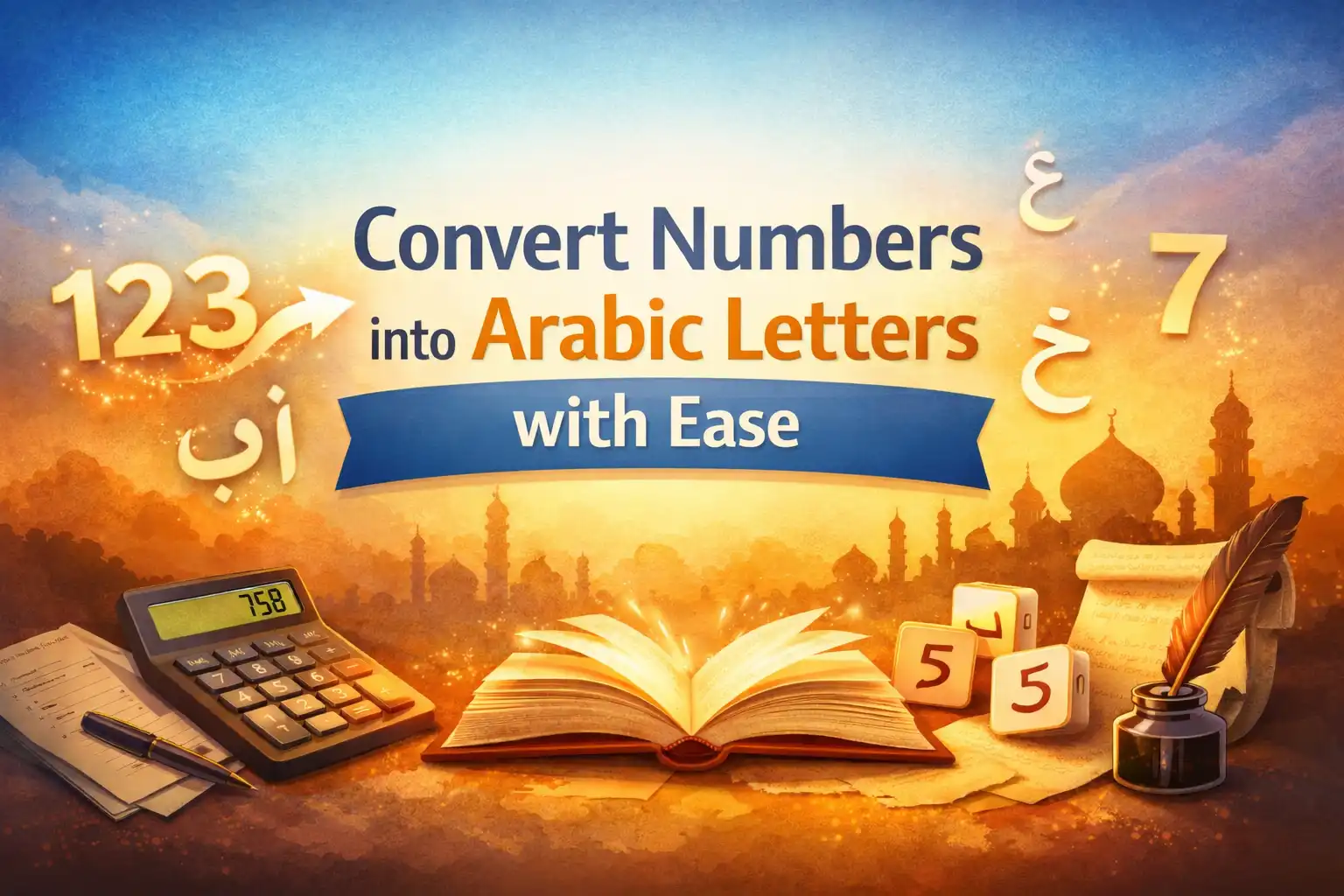
Research in language learning has indicated that the mastery of number words has the effect of making reading comprehension faster by more than 20%. Thus, this manual guides the user through the conversion of digits into words while at the same time revealing the connection of Arabic letters in numbers to real-life situations.
Hire the Best Online Tutors for Your Child
Understanding ٠١٢٣٤٥٦٧٨٩ in Arabic Context
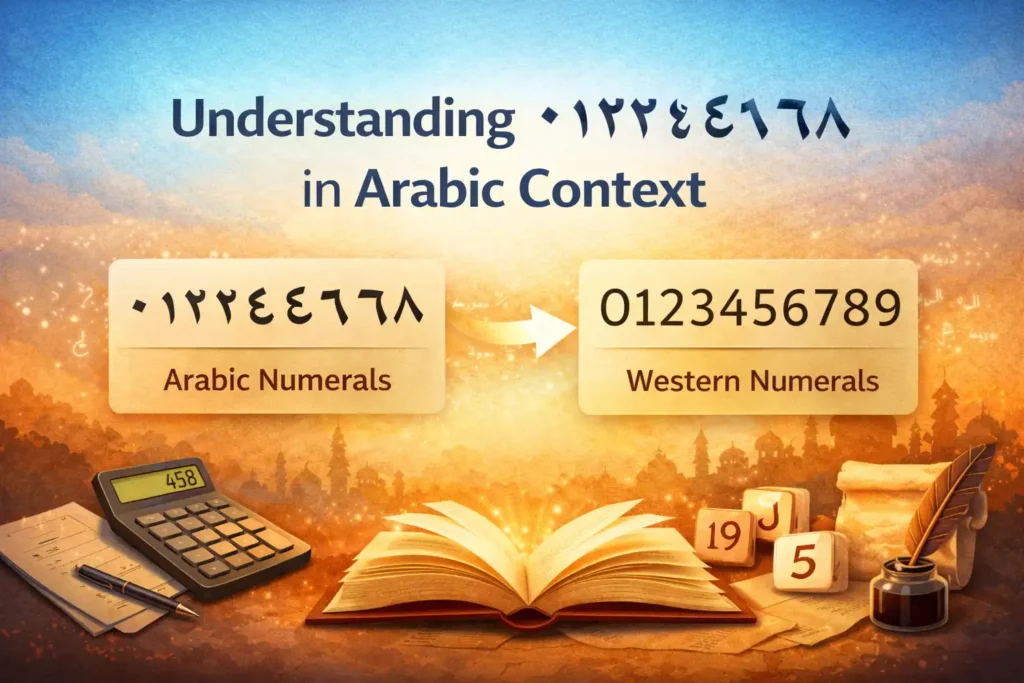
Arabic numerals ٠١٢٣٤٥٦٧٨٩ are also called Eastern Arabic numerals. They differ in shape but follow the same numeric values used globally.
Digit-to-value mapping
- ٠ means zero.
- ١ means one.
- ٢ means two.
- ٣ means three.
- ٤ means four.
- ٥ means five.
- ٦ means six.
- ٧ means seven.
- ٨ means eight.
- ٩ means nine.
Are you interested in knowing the chronology of Arabic numerals and the use of Arabic letters and numbers in English in a more extensive manner? Read our blog: Arabic Numbers in English with Mixt Academy.
How Do Numbers Turn into Arabic Letters?
Arabic number words vary according to the quantity and function involved. You don’t just translate digits separately.
Basic Conversion Logic
For single digits, fixed words are used, such as واحد and اثنان. Numbers from two to ten are subject to the plural grammatical rules. [continue the larger numbers as needed.]
Example:
- ٥ becomes خمسة
- ١٢ becomes اثنا عشر
- ٢٥ becomes خمسة وعشرون
Besides, this system is related to the Arabic alphabet transliteration practice, where the learner uses English letters to write the sounds as a way of practising.
Step-by-Step: Convert ٠١٢٣٤٥٦٧٨٩ into English Words
Simple Explanation: To convert the digit sequence ٠١٢٣٤٥٦٧٨٩ into words, follow these steps:
Identify the Nature of the Input
The number is written using Eastern Arabic numerals and represents a sequence of individual digits rather than a single numerical value.
Separate the Sequence Into Individual Digits
The sequence consists of the following digits: ٠, ١, ٢, ٣, ٤, ٥, ٦, ٧, ٨, ٩.
Convert Each Digit to Its English Word Equivalent
- ٠: zero
- ١: one
- ٢: two
- ٣: three
- ٤: four
- ٥: five
- ٦: six
- ٧: seven
- ٨: eight
- ٩: nine
Combine the Words in Order
When a number is presented as a sequence of single digits, the words are written in the same order as the digits, without combining them into a larger numerical value.
Example: This method keeps your writing clear and readable.
- ٤٥ becomes خمسة وأربعون
- ٣٠٢ becomes ثلاثمائة واثنان
Understand Arabic digits, words, and meanings with friendly teachers at Mixt Academy
Use an Online Number to Arabic Word Converter

Sometimes speed matters. Online tools help you double-check your writing. Here are the different tools that are available for free on Google:
- Num2word
- Yamli
- Saitak
- Clevert
What Do These Arabic Letters in Number Converter Tools Do?
These tools are your secret magic for managing cheques, invoices, and exams with ease! Whether you’re handling finances or preparing for a test, they make the process smoother and more efficient.
- Convert digits into Arabic words instantly.
- Show Arabic and English results together.
- Follow international number formats.
Where Do Students Commonly Use Arabic Number Words?
Mastering these uses helps students read accurately and communicate clearly in Arabic. Students use Arabic number words in many everyday and academic situations, including:
- Writing cheque amounts and financial documents
- Filling out official forms such as applications and exams
- Reading textbooks and academic or legal materials
- Learning Arabic grammar, especially the number agreement rules
In digital spaces, numbers often replace sounds, linking to Arabic letters numbers in English like 3 for ع.
Bilingual studies, converting Arabic letters and numbers into English formats
Learn Arabic Numbers Through Structured Online Lessons
Ready to master Arabic letters in numbers and language with confidence? Join Mixt Academy today and learn how to convert Arabic numerals into words through clear lessons, real examples, and expert guidance. Perfect for beginners, students, and professionals. Start easily learning Arabic and improve your reading and writing skills now.
Arabic education keeps improving with updated curricula. For current academic standards, refer to the UAE Ministry of Education resources.
Read More: Arabic Numbers 1-10: Easy Guide for Beginners in the UAE
Learn Arabic Numbers the Easy Way with Mixt Academy
Learning Arabic numbers can feel confusing at first. Many students struggle with reading, writing, and using numbers in real situations. This is normal. At Mixt Academy, we make Arabic numbers simple and clear. Our teachers explain every step in an easy way. You learn how numbers change into words, how they sound, and how to use them correctly.
We use:
- Simple lessons
- Real-life examples
- Practice exercises
- One-to-one teacher support
You learn at your own pace. Each lesson helps you feel more confident every day. Whether you are a beginner or need help for exams, Mixt Academy is here to support you.
Hire the Best Online Tutors for Your Child
Final Tip for Experts in Arabic Letters in Numbers
Converting numbers into Arabic letters becomes simple when you understand the structure behind Arabic numerals and number words. From recognising Eastern Arabic digits to applying grammar rules and place values, each step builds stronger reading and writing skills.
Whether you are completing forms, studying for exams, or learning Arabic for daily use, regular practice makes a clear difference. Using online tools and structured lessons can speed up progress and reduce errors. With consistency and the proper guidance, mastering Arabic tutoring in dubai numbers will boost your confidence and help you communicate more accurately in real-life situations.